The Strait of Hormuz continues to play a central role in the global energy market, serving as a vital maritime passage for oil and gas exports from the Middle East. Despite ongoing geopolitical risks, the strategic importance of the narrow waterway remains unmatched.
Key Energy Route Under Pressure
Approximately 20 million barrels of crude oil pass through the strait each day, accounting for around 20% of global petroleum shipments. The waterway is also a key route for liquefied natural gas (LNG) exports, particularly from Qatar, which transports nearly all of its LNG through this channel.
Located between Iran and Oman, the Strait of Hormuz connects the Persian Gulf with the Arabian Sea and is only about 24 miles wide at its narrowest point.
Rising Tensions Heighten Risk
In recent weeks, political tensions in the region have reignited concerns over the security of the strait. Iranian officials have issued warnings that they may take action to disrupt shipping in response to foreign military operations in the Middle East.
While full closure remains unlikely, such threats are enough to impact oil prices and unsettle energy markets. Analysts warn that any serious disruption could push crude prices above $100 per barrel, further pressuring economies already facing inflation.
Limited Alternatives and Global Impact
Although some oil-exporting nations have developed alternative pipelines, they do not match the volume capacity of maritime transport through the Strait of Hormuz. Countries heavily reliant on Middle Eastern energy—such as China, India, and European Union members—would face immediate supply concerns in the event of disruption.
Ongoing Naval Presence
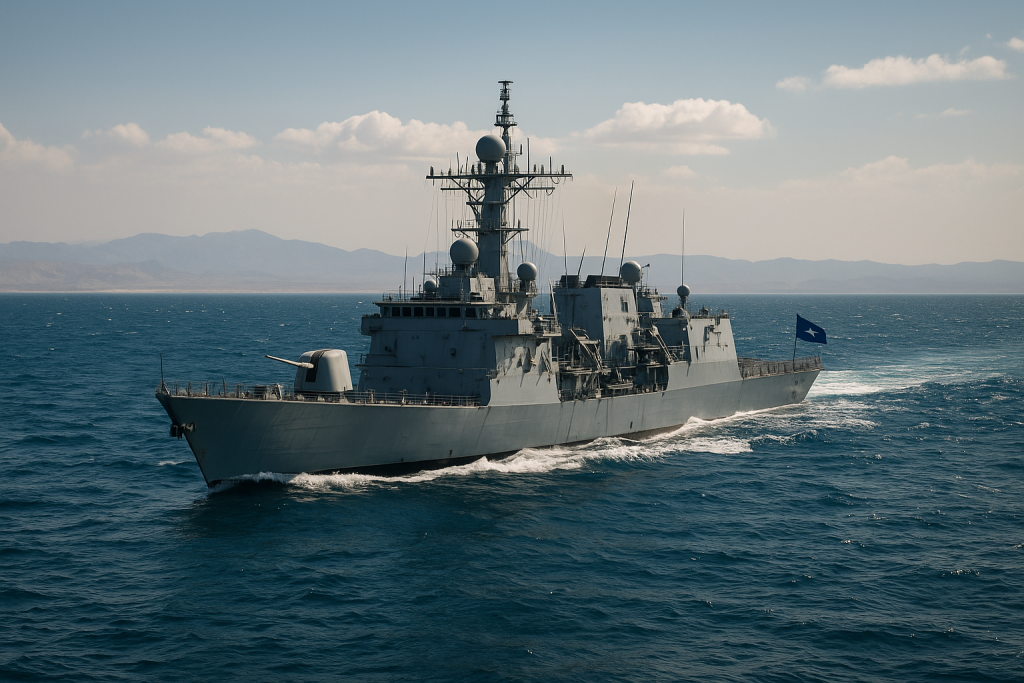
To secure the flow of goods, Western powers, including the United States and United Kingdom, maintain regular naval patrols in the area. However, the risk of instability remains high, given the strategic value of the route and its proximity to multiple regional conflicts.
Conclusion
With no viable replacement and constant political friction in the region, the Strait of Hormuz remains one of the most sensitive and strategically significant maritime routes in the world. Global energy security continues to depend on its uninterrupted operation.


0 Comments