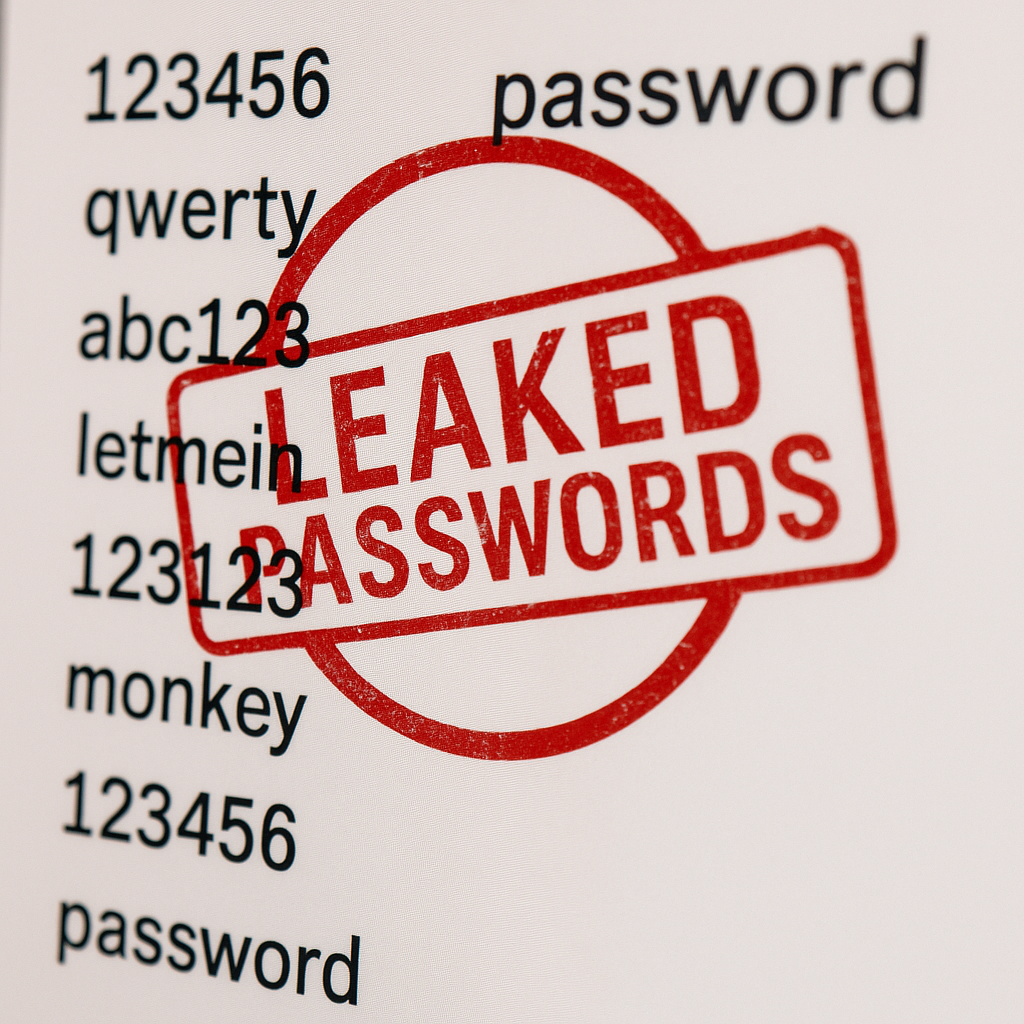
A massive trove containing over 16 billion login credentials from platforms like Apple, Google, Facebook, GitHub, and more has surfaced online. Cybersecurity experts warn this may be the largest compilation of exposed data in history .
What We Know So Far
Security researchers at Cybernews uncovered 30 separate datasets totaling approximately 16 billion pairs of usernames and passwords . These credentials were not stolen in one massive breach, but aggregated from a series of smaller compromises and malware-infections over time .
Since many users reuse passwords, the actual number of unique individuals affected remains unclear. Still, the sheer volume of records raises alarms about widespread credential reuse and possible reuse in phishing, account takeovers, and elaborate ransomware or business‑email‑compromise attacks .
How Cybercriminals May Exploit the Leak
According to analysts, the exposed data may empower criminals to:
- Hijack email, social media, financial, and cloud accounts
- Launch highly targeted phishing campaigns
- Circumvent security measures for insider scams and ransom demands
No Single Breach — But Real Risk
Despite widespread reports suggesting giants like Apple or Google were hacked, there is no evidence any single corporation suffered a breach. Instead, threats stem from credential harvesters known as “infostealers,” which collect data across multiple sources and feed it into centralized databases .
What Users Must Do Now
Cybersecurity experts urge all account holders to:
- Immediately change passwords for all major services
- Use a password manager to generate and store unique, strong passwords
- Enable two-factor or passwordless authentication wherever possible
- Monitor accounts for suspicious logins or communications
Security firms also recommend scanning email addresses on platforms like “Have I Been Pwned” to see if they were included in the leak.
Broader Implications
This event underscores the growing threat posed by infostealer malware and the immense value of personal credentials on underground markets. Experts warn this may be more than just a data breach — it’s an indication of a new cybercrime infrastructure built around aggregated, large-scale credential dumps


0 Comments