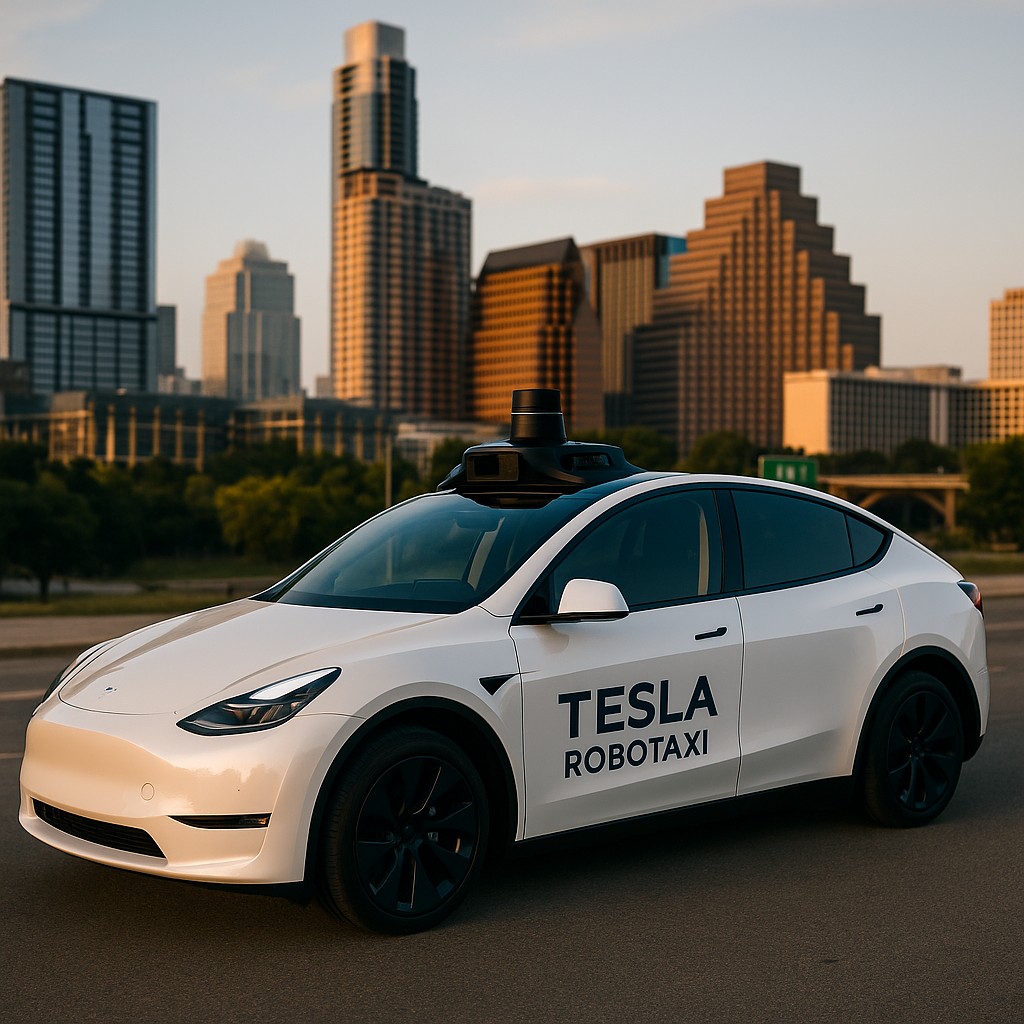
Tesla has quietly rolled out a limited robotaxi service in Austin, Texas, marking the company’s first operational test of its autonomous ride-hailing technology with real passengers.
The pilot, which began earlier this month, includes a small fleet of Tesla Model Y vehicles operating without direct driver control but supervised by Tesla safety operators in the front seat. Rides are currently limited to a pre-approved group of users, including social media influencers invited to document their experience.
Fixed Fare, Limited Range
Each ride costs a flat $4.20, and vehicles operate within a defined service area encompassing downtown Austin and select surrounding neighborhoods. The service runs from 6 a.m. to midnight daily, though only during clear weather conditions. Rain or adverse conditions suspend operations.
Tesla’s system uses camera-based Full Self-Driving (FSD) technology, a decision that sets it apart from rivals like Waymo and Zoox, which rely on lidar and radar for navigation.
Musk Hails Milestone
Tesla CEO Elon Musk described the launch as a significant achievement after more than a decade of autonomous driving development. “This is just the beginning,” Musk said during a brief statement on X (formerly Twitter). “Robotaxis are the future.”
His words carried weight: Tesla’s stock surged nearly 10% following the news, signaling renewed investor confidence after recent dips in global sales and mounting regulatory scrutiny.
Race Against Rivals
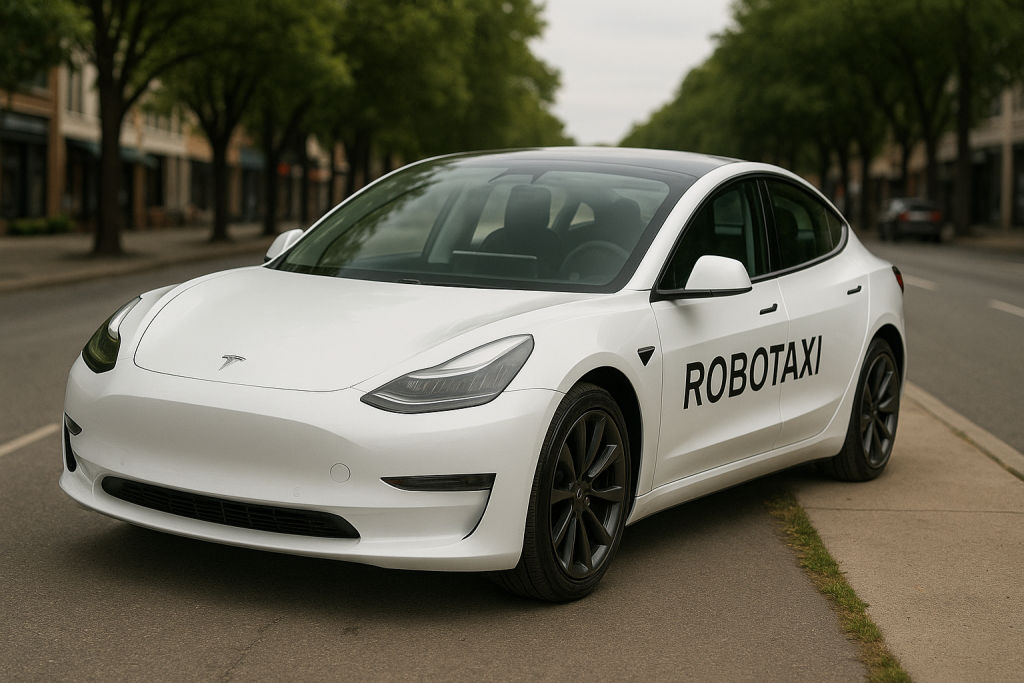
While Waymo and Zoox have already completed millions of driverless rides in cities like San Francisco and Phoenix, Tesla is entering the competition with a different strategy—leveraging its existing consumer vehicles and camera-only autonomy.
Industry experts say that while Tesla’s camera-based system is bold, it may face challenges in scaling up, particularly in adverse weather or more complex urban environments.
What’s Next?
Tesla plans to grow the fleet to 1,000 robotaxis in Austin by year’s end, with future rollouts anticipated in Los Angeles and San Francisco. Regulatory approval and consistent performance will be critical factors in determining how quickly the service can expand.
For now, the Austin pilot offers a glimpse into what Tesla envisions as a fully autonomous future—and a potential new revenue stream as it diversifies beyond car sales.


0 Comments